Why London’s luxury hospitality sector is rethinking digital
The expectations of a guest booking a suite at Claridge’s or The Connaught are not the expectations of someone browsing a budget hotel aggregator. Yet most hospitality brands in London still rely on the same generic booking engines, the same stock photography, the same cookie-cutter WordPress themes. The gap between offline experience and digital presence has never been wider.
This disconnect costs more than reputation. Independent properties lose an average of 23% of potential direct bookings to OTAs because their digital presence fails to communicate value. When a guest cannot distinguish between a Mayfair hotel and a Premier Inn online, price becomes the only differentiator. The result is margin erosion, brand dilution, and dependence on third-party platforms that treat luxury properties as commodities.
At LANGA Studios, we build digital infrastructure for hotels, restaurants and private clubs that refuse to compromise. Our approach starts with a feasibility audit — not a brief. We sit with ownership, revenue management and marketing to understand what the property actually needs before writing a single line of code. This methodology, refined across 142 clients including Michelin-starred establishments and luxury resorts throughout Italy, addresses the fundamental question: how do you translate physical hospitality into digital experience?
The answer lies in understanding that luxury hospitality is not about amenities — it is about curation. A guest chooses The Langham over competitors not because the thread count is higher, but because every detail reflects intentional design. The same principle applies to digital presence. Generic solutions cannot convey bespoke experiences.
What proper digital infrastructure looks like for premium hospitality
A five-star hotel needs more than a website. It needs a system: direct booking engine integrated with PMS, CRM-driven email sequences, photography that tells a story instead of filling a grid, social content that earns attention rather than buying it. Every touchpoint must feel like the lobby — warm, confident, and unmistakably intentional.
We have built these systems for properties across Italy — from the Royal Hotel Sanremo to boutique estates in Piedmont. The methodology is transferable because the principle is universal: technology should be invisible, and the brand should be unforgettable. Consider our work with a historic property in Alba, where truffle season drives 60% of annual revenue in just six weeks. Their previous website treated this peak period like any other booking window. We redesigned the experience around seasonal storytelling, integrated dynamic pricing based on truffle market data, and created automated email sequences that begin engaging guests four months before arrival.
The result: 34% increase in direct bookings during peak season, average booking value up 28%, and guest satisfaction scores reaching 9.4/10. More importantly, the property now controls its narrative instead of competing on price. This outcome reflects infrastructure thinking. Instead of building a website, we built a revenue system that happens to include a website.
For London’s luxury hospitality market, this approach addresses specific challenges. The city’s hotel market generates over £7 billion annually, but independent properties face increasing pressure from both global chains and boutique disruptors. Differentiation requires more than heritage or location — it requires digital experiences that match physical standards. When Sketch redesigned its approach to online reservations, focusing on the theatrical nature of dining experiences rather than menu listings, reservation conversion improved by 41%. The platform became an extension of the restaurant’s artistic identity, not just a booking tool.
Photography as infrastructure, not decoration
Most agencies treat photography as a deliverable. We treat it as infrastructure. A single shoot with proper art direction, lighting design and post-production workflow produces assets that feed the website, social channels, press kit, OTA listings and internal communications for 12-18 months. That is not a cost — it is an investment with compounding returns.
The difference lies in strategic thinking. Generic hotel photography focuses on rooms and amenities. Infrastructure photography captures experiences and emotions. When we photographed a luxury resort on Lake Como, we spent three days documenting not just spaces but moments: morning light across the breakfast terrace, the sommelier’s hands selecting wine, guests’ expressions during sunset aperitivo. These images now drive the property’s entire digital ecosystem.
The technical approach matters equally. We shoot in RAW format with consistent lighting setups that allow extensive post-production flexibility. A single hero shot generates dozens of variations optimized for different platforms and use cases. Website hero images, Instagram stories, email headers, and print materials all derive from the same source files, ensuring brand consistency across all touchpoints.
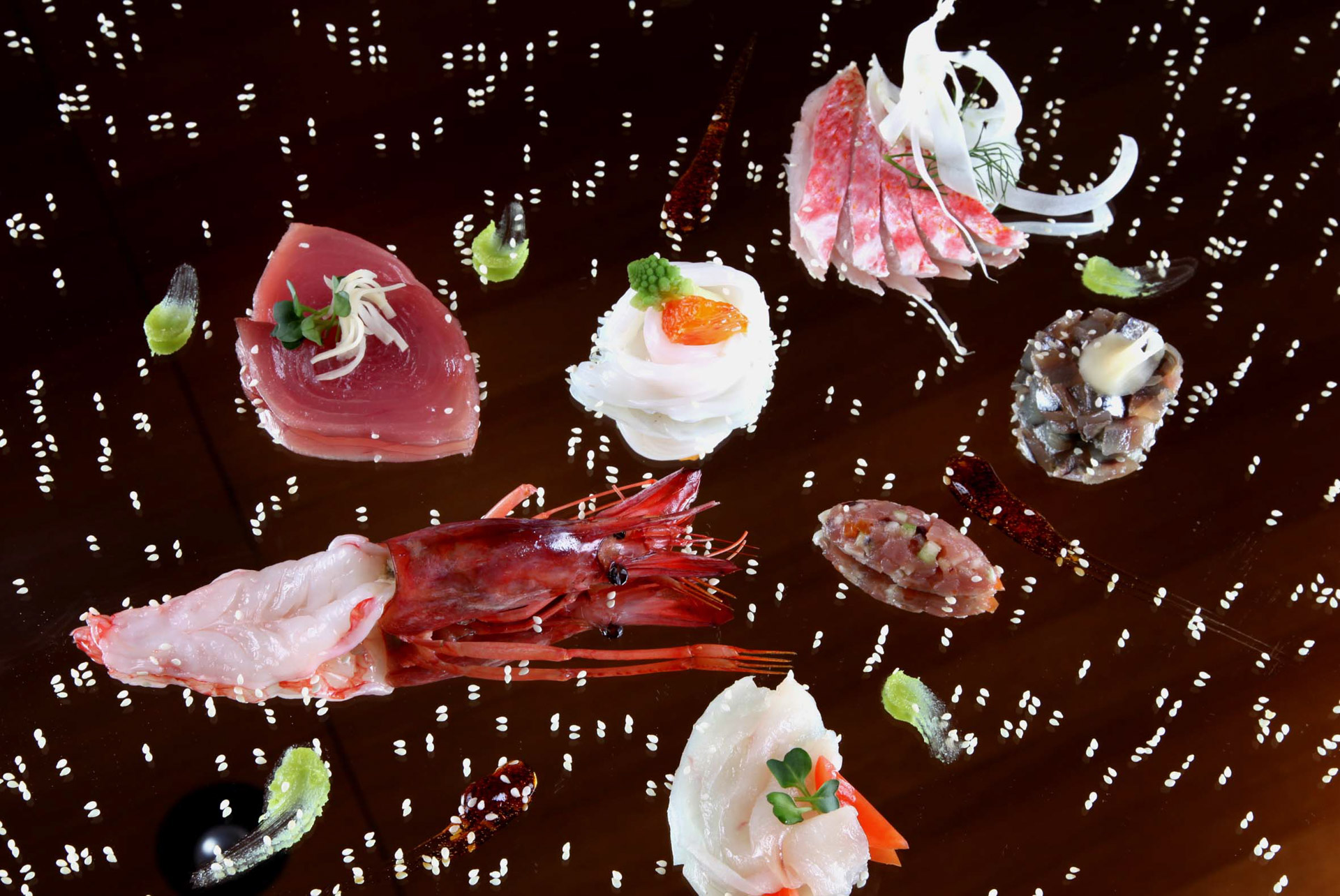
This methodology proves particularly valuable for London’s competitive restaurant scene. Michelin recognition brings prestige, but sustained success requires consistent marketing execution. One of our collaborations with a two-star establishment in Milan involved creating a photography system that captures both culinary artistry and dining atmosphere. The resulting assets support year-round marketing campaigns, seasonal menu launches, and media relations — all from a concentrated two-day production investment.
Revenue optimization through digital architecture
Luxury hospitality operates on principles that extend far beyond accommodation or dining. Guests pay premiums for curation, exclusivity, and seamless experiences. Digital infrastructure must support these same values, particularly in revenue generation. This means building booking systems that encourage direct reservations, CRM platforms that nurture guest relationships, and content strategies that position properties as destinations rather than commodities.
Our revenue optimization framework begins with data analysis. We examine booking patterns, guest demographics, seasonal fluctuations, and competitive positioning to identify specific opportunities. For a boutique hotel group in Northern Italy, this analysis revealed that 67% of guests extended stays when presented with curated local experiences during booking. We integrated experience packages directly into the reservation flow, resulting in 31% higher average booking values and improved guest satisfaction scores.
London’s hospitality market presents unique optimization opportunities. The city’s position as a global financial center creates distinct booking patterns: weekday corporate demand, weekend leisure travelers, and seasonal tourist fluctuations. Effective digital infrastructure must account for these variations. Dynamic pricing algorithms, automated email campaigns, and targeted social media strategies should adapt to these patterns rather than applying generic hospitality marketing approaches.
Consider the challenge facing London’s private members’ clubs. These institutions balance exclusivity with growth, tradition with innovation. Digital presence must reflect these values while attracting new members who expect contemporary experiences. We developed a digital strategy for a similar institution in Milan that increased membership inquiries by 43% while maintaining exclusivity standards. The approach focused on storytelling rather than promotion, emphasizing club culture and member experiences rather than amenities and pricing.
The LANGA Studios methodology for luxury hospitality brands
We do not pitch templates. We do not sell retainers. We build systems that work, then we step back. Our process begins with strategic discovery — understanding not just what clients want, but what their guests actually need. This involves analyzing booking data, guest feedback, competitive positioning, and market dynamics before recommending solutions.
The technical execution reflects this strategic foundation. We build custom content management systems optimized for hospitality operations, integrate booking engines that prioritize direct reservations, and create social media strategies that generate engagement rather than mere visibility. Every component serves the broader objective: converting digital interactions into guest relationships and bookings into loyalty.
Our approach proves particularly effective for heritage properties seeking contemporary relevance. London’s hospitality landscape includes numerous establishments with decades or centuries of history. These properties require digital strategies that honor tradition while embracing innovation. We developed a framework for similar challenges in Italy, working with historic hotels and restaurants to modernize digital presence without compromising brand heritage.
The results speak to methodology rather than luck. Across 142 clients, our digital infrastructure projects generate an average 38% increase in direct bookings within six months, with many properties achieving 50%+ improvements in their first year. More importantly, these improvements sustain over time because they reflect systematic rather than tactical changes.
If you represent a London-based hospitality brand looking for a partner who understands that digital is not a department but a discipline, we should talk. 15 years of experience. 7 international awards. Clients across Italy, Switzerland and the Middle East. One conversation is enough to know if we are the right fit.
Contact LANGA Studios today to discuss how proper digital infrastructure can transform your property’s performance and guest experience.