The Italian Luxury Digital Landscape: Where Performance Meets Prestige
In Italy’s luxury ecosystem—from Milano’s Quadrilatero della Moda to the Barolo estates of Alba—digital presence transcends functionality. The mobile application serves as a sophisticated ambassador of brand heritage, where each interaction must mirror the meticulous craftsmanship found in a handmade Brunello Cucinelli cashmere piece or the precision of a Ferrari engineering marvel. Italian luxury brands understand that their digital touchpoints require the same attention to detail that defines their physical creations.
The Italian market presents unique challenges. Consumers here possess an innate understanding of quality—they recognize authentic craftsmanship instantly and dismiss mediocrity without hesitation. This discernment extends to digital experiences. When Ermenegildo Zegna or Bottega Veneta develops a mobile application, they’re not simply creating a shopping tool; they’re extending their atelier into the digital realm. App optimization in this context becomes an exercise in digital couture, where technical excellence must seamlessly blend with aesthetic sophistication.
Contemporary luxury consumers—particularly in markets like Milan, Rome, and Turin—interact with brands across multiple touchpoints daily. They might discover a new collection on Instagram while commuting, research heritage and craftsmanship during lunch, and complete a purchase while traveling. Each digital interaction shapes their perception of the brand’s commitment to excellence. This reality demands optimization strategies that go beyond traditional metrics, focusing instead on creating moments of genuine delight and recognition of value.
Technical Excellence as Brand Expression
Performance optimization for luxury applications requires a fundamental shift in perspective. While standard e-commerce applications prioritize conversion rates and loading speeds, luxury applications must balance efficiency with the deliberate pacing that conveys exclusivity. Consider how Bulgari’s mobile experience allows users to explore the craftsmanship behind each piece—the application loads high-resolution imagery progressively, maintaining visual quality while respecting the user’s time.
Advanced optimization techniques for luxury brands include intelligent content delivery networks that recognize user location and device capabilities. When a client browses a Prada collection from their iPhone 15 Pro in Milan’s Galleria Vittorio Emanuele II, the application delivers ultra-high-resolution imagery optimized for that specific device and network conditions. Conversely, the same user accessing the application from a remote location with limited connectivity receives a carefully curated experience that maintains visual integrity while adapting to bandwidth constraints.
Real-time performance monitoring becomes crucial when managing applications for brands like Moncler or Stone Island. These brands often release limited collections that generate significant traffic spikes. Advanced monitoring systems track not just response times but also interaction quality—measuring the smoothness of product rotation animations, the responsiveness of zoom functions, and the seamless loading of product configuration options. The goal extends beyond preventing crashes; it ensures that even during peak demand, the application maintains the refined experience that luxury consumers expect.
Microservices architecture proves particularly valuable for Italian luxury conglomerates. Kering’s Italian brands—including Gucci and Bottega Veneta—benefit from modular approaches that allow independent optimization of different application components. Product catalog services can scale independently from user authentication systems, ensuring that a surge in interest for a new Gucci collection doesn’t impact the personalized experience features that drive customer loyalty.
Crafting Experiences That Reflect Italian Excellence
User experience optimization for luxury applications draws inspiration from Italy’s design heritage. The principles that guide Pininfarina’s automotive design or Cassina’s furniture creation apply equally to digital interfaces: purposeful simplicity, attention to proportion, and respect for the user’s intelligence. Italian luxury consumers don’t want to be guided through complex processes—they prefer intuitive navigation that reveals its sophistication through use rather than overwhelming initial presentation.
Haptic feedback in luxury applications requires particular finesse. When a user interacts with a Ferragamo shoe customization interface, the tactile response should evoke the sensation of premium materials. Advanced haptic engines can simulate different textures—the suppleness of leather, the structure of canvas, the smoothness of silk lining. This sensory dimension creates emotional connections that purely visual interfaces cannot achieve.
Personalization in luxury applications operates differently from mass-market approaches. Rather than overwhelming users with options, sophisticated algorithms learn from subtle behavioral cues. If a user consistently views limited edition pieces during their lunch break but makes purchases in the evening, the application adapts to present exclusive previews during midday sessions and streamlined purchasing flows during evening use. This approach respects the user’s time while demonstrating the brand’s understanding of their preferences.
Visual design optimization for luxury brands requires careful balance between innovation and timelessness. Armani’s digital presence exemplifies this approach—the interface evolves to incorporate new interaction paradigms while maintaining the clean, sophisticated aesthetic that defines the brand. Typography selection, color temperature, spacing, and animation timing all contribute to an experience that feels both contemporary and enduring.
Security and Privacy as Luxury Amenities
Data security in luxury applications transcends compliance—it becomes a service differentiator. Italian luxury brands handle sensitive information about high-net-worth individuals who expect discretion comparable to private banking services. Advanced encryption protocols protect not just transaction data but also preference information, purchase history, and behavioral patterns that could reveal personal details about lifestyle and spending capacity.
Biometric authentication integration requires sophisticated UX consideration. While face recognition or fingerprint scanning provides security, the implementation must feel seamless rather than intrusive. Luxury watch brands like Panerai have pioneered approaches where authentication happens naturally during normal interaction patterns—users don’t experience authentication as a barrier but as a personalized welcome that recognizes their return to the brand’s digital space.
Cross-device synchronization presents unique challenges for luxury applications. High-value customers often use multiple devices throughout their day—iPhone for casual browsing, iPad for detailed product exploration, laptop for complex customization tasks. Seamless data synchronization ensures that a customer’s journey with a Lamborghini configurator can begin on mobile, continue on desktop, and conclude with a dealer visit where all previous interactions are available to enhance the consultation process.
Privacy optimization also extends to temporal data handling. Luxury consumers value discretion about when and how they engage with brands. Advanced applications provide granular control over data retention, allowing users to maintain purchase history for warranty and service purposes while removing behavioral tracking data after specified periods. This approach demonstrates respect for privacy while maintaining the service quality that luxury customers expect.
Integration Excellence in the Italian Luxury Ecosystem
Italian luxury brands operate within complex ecosystems that span manufacturing, retail, hospitality, and cultural experiences. A comprehensive mobile application for a brand like Brunello Cucinelli must integrate seamlessly with production systems in Solomeo, retail operations across global boutiques, and the brand’s philosophical approach to humanistic enterprise. This integration depth requires sophisticated API architectures and real-time data orchestration capabilities.
IoT integration becomes particularly relevant for luxury brands embracing connected experiences. Ferrari’s approach demonstrates advanced integration—their mobile applications connect with vehicle telematics, track performance data, coordinate with service networks, and provide access to exclusive driving experiences. The optimization challenge involves managing complex data streams while maintaining the intuitive user experience that luxury consumers expect.
CRM integration for luxury brands requires nuanced approaches that recognize the difference between customer relationship management and customer experience orchestration. When a client visits a Dolce & Gabbana boutique in Milan after browsing collections through the mobile application, the in-store experience should seamlessly reflect their digital interactions without feeling invasive or overly familiar. This balance requires sophisticated data architecture and careful attention to privacy boundaries.
Third-party service integration presents opportunities and challenges for luxury applications. Partnerships with exclusive service providers—private aviation, luxury hospitality, cultural experiences—can enhance the brand’s value proposition. However, these integrations must maintain the brand’s quality standards and aesthetic consistency. API optimization ensures that external services feel like natural extensions of the brand rather than awkward additions.
LANGA Studios: Where Italian Craftsmanship Meets Digital Innovation
At LANGA Studios, we understand that luxury app optimization requires the same dedication to excellence that defines Italy’s greatest artisanal traditions. Our approach combines technical expertise with cultural sensitivity, creating digital experiences that honor brand heritage while embracing innovation. We don’t simply optimize applications—we refine them with the precision of a master craftsman perfecting a piece destined for generations of appreciation.
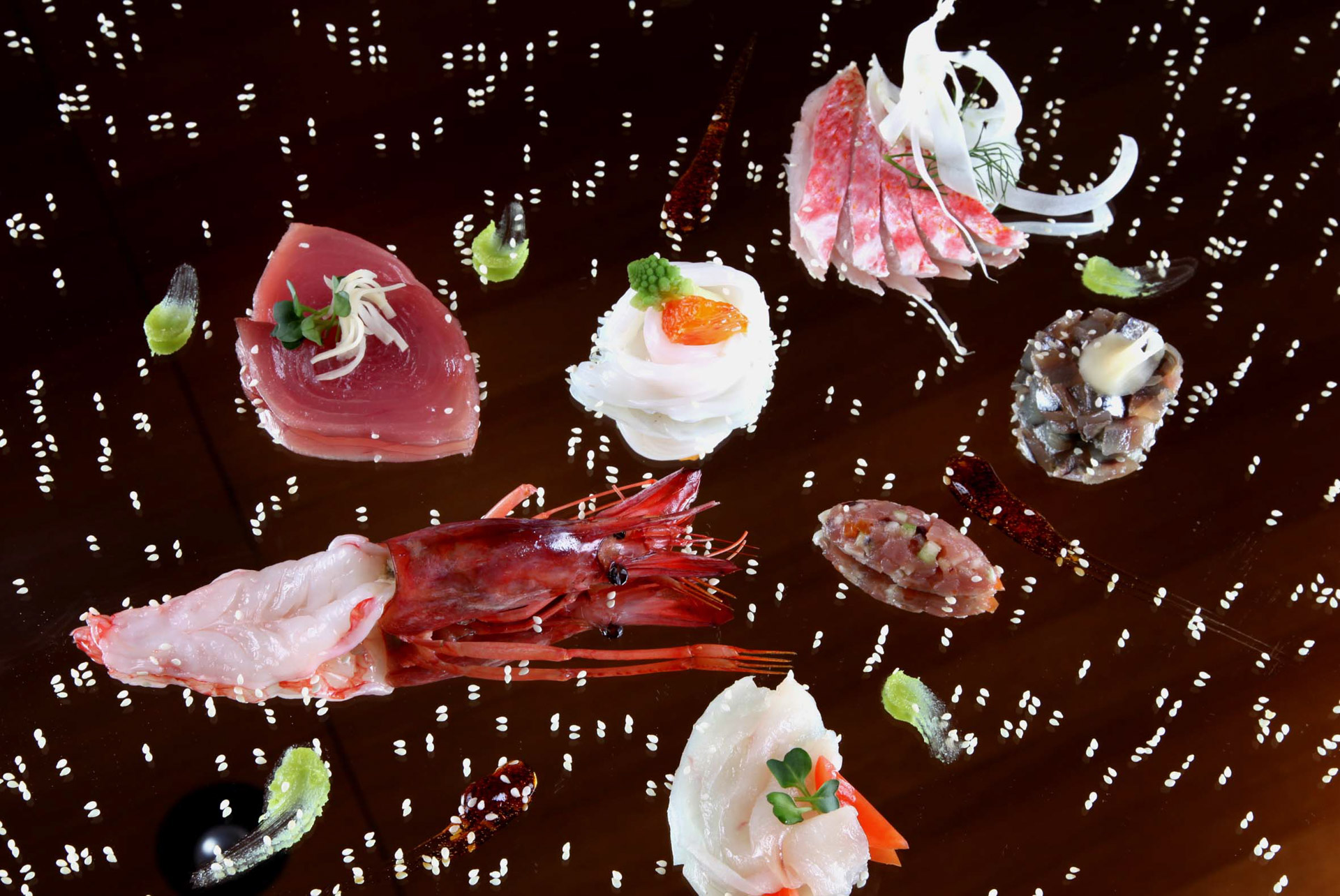
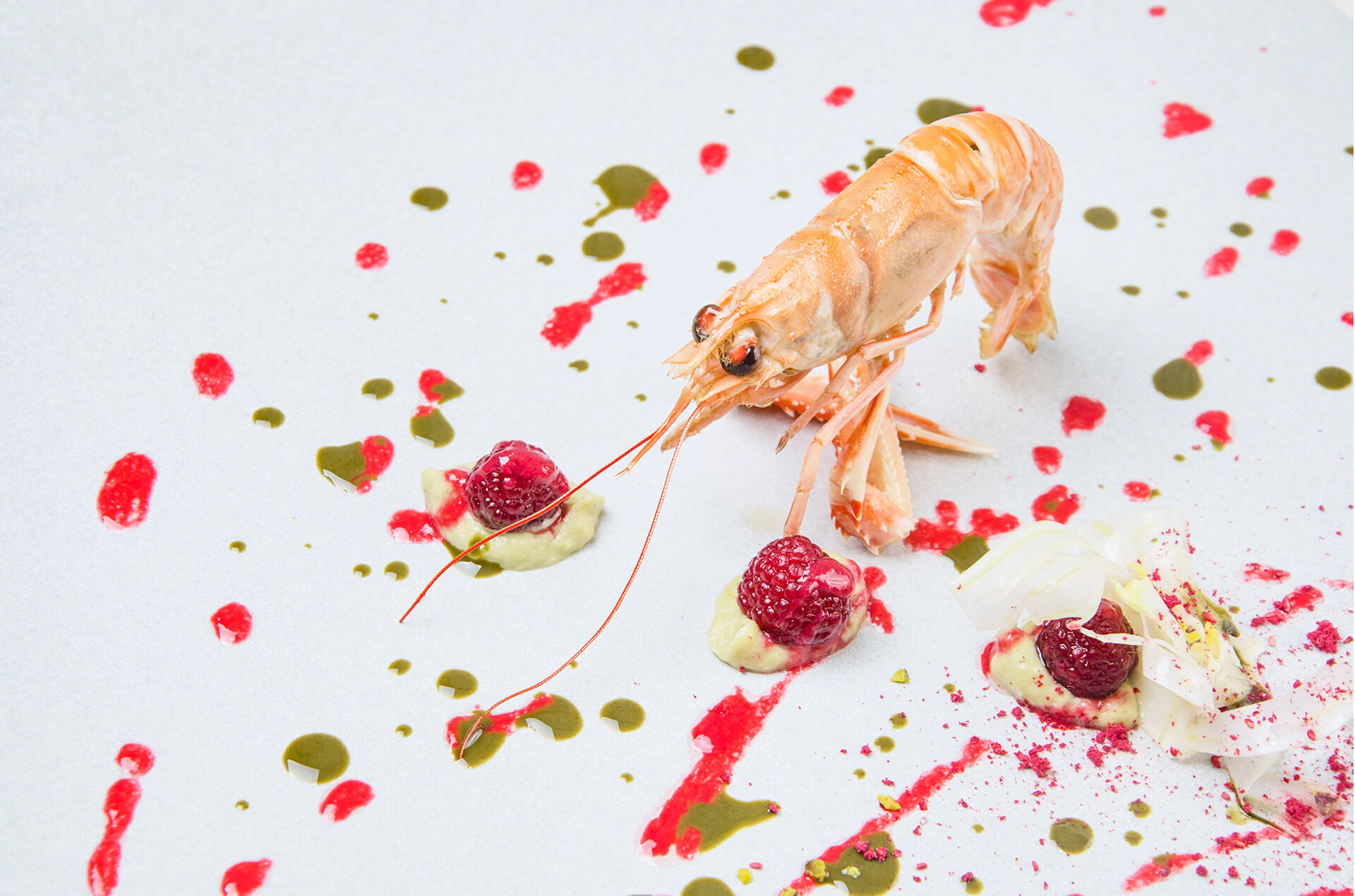
Our portfolio includes collaborations with luxury hotels throughout Northern Italy, Michelin-starred restaurants that represent the pinnacle of Italian culinary art, and premium brands that define excellence in their respective categories. This experience has taught us that true optimization occurs at the intersection of technical capability and cultural understanding. We recognize when to push the boundaries of what’s possible and when to respect the timeless principles that define luxury.
Partner with LANGA Studios to create mobile applications that reflect the sophistication and attention to detail that your luxury brand represents. Our team combines deep technical expertise with an intuitive understanding of Italian luxury market expectations. Contact us to discuss how we can optimize your mobile presence to create lasting impressions and meaningful connections with the discerning customers who define your success.